
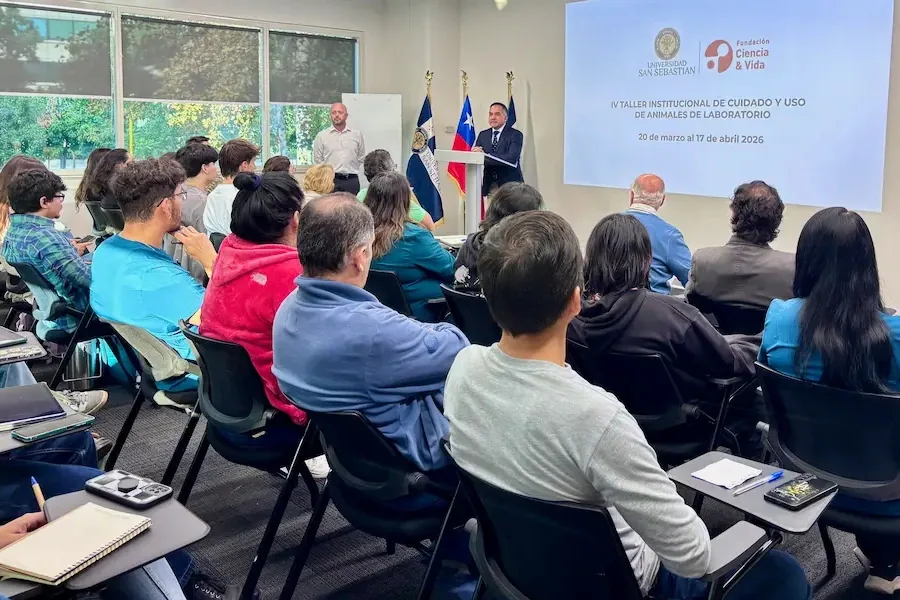
With the participation of Dr. José Luis Riveros, Dean of the Faculty of Veterinary Medicine at Universidad San Sebastián, the IV version of the Institutional Workshop on the Care and Use of Laboratory Animals commenced, an educational activity organized by the Veterinary Area of Fundación Ciencia & Vida.
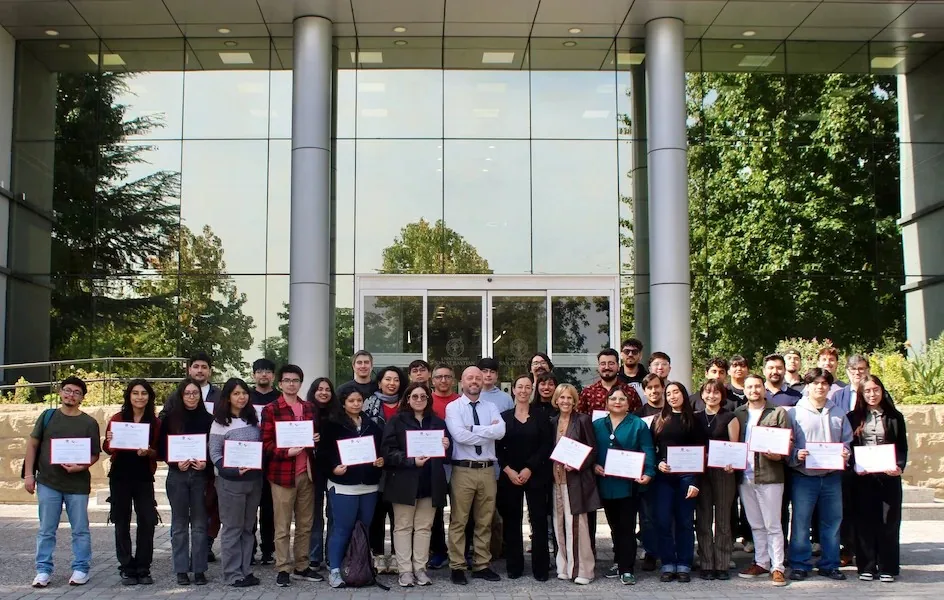
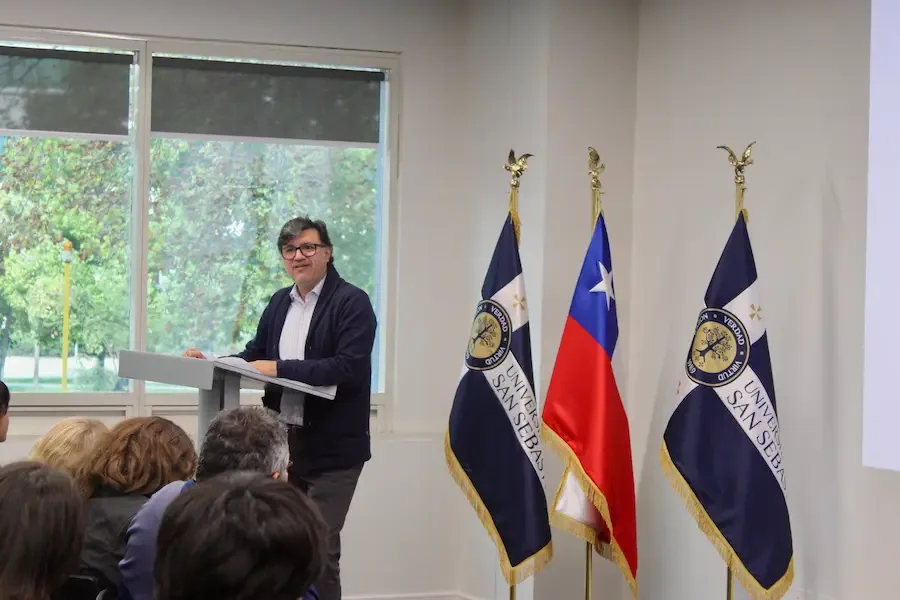
With the participation of Dr. José Luis Riveros, Dean of the Faculty of Veterinary Medicine at Universidad San Sebastián, the closing session of the IV version of the Institutional Workshop on the Care and Use of Laboratory Animals took place, an educational activity organized by the Veterinary Area of Fundación Ciencia & Vida.
The start of the session was marked by the analysis and reflection provided by Dr. Sebastián Valenzuela, who is also an academic at the Faculty of Veterinary Medicine, and Micaela Ricca, Master in Animal Welfare, both workshop directors. They addressed the main lessons learned and future challenges associated with working with animal models in the context of scientific research, highlighting the program's methodological approach based on active learning.
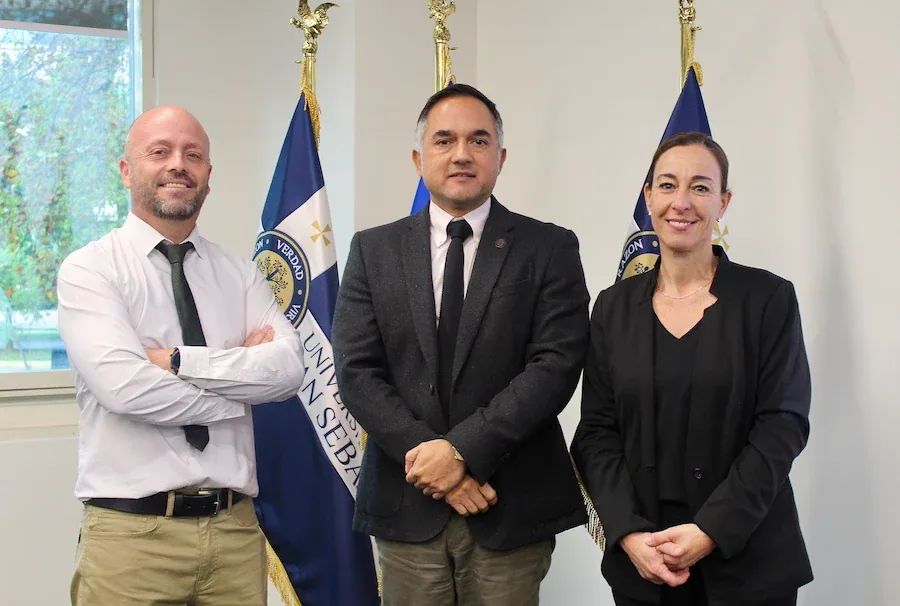
Likewise, Dr. José Luis Riveros, Dean of the Faculty of Veterinary Medicine USS, highlighted the relevance of these initiatives in strengthening scientific research training under standards of excellence, noting that “continuous training in the care and use of laboratory animals is essential to ensure research quality and compliance with current regulations, while also contributing to the development of a more rigorous and responsible science.”
In this regard, Principal Investigator Dr. Bredford Kerr recalled the beginnings of his career and emphasized the importance of such instances in knowledge generation, permanent updating, and the training of undergraduate and graduate students, inviting the continued promotion of lifelong education as the foundation for respect for animals and their welfare.
Training with a reflective and evaluative approach
The closing session included the final evaluation of the participants and a feedback space aimed at consolidating the program's learning. In this context, the 36 registered participants successfully completed the final exam, allowing them to obtain the corresponding certification.
In turn, one of the most valued aspects of the training sessions was the ability to promote deep reflection among participants regarding the responsibility, commitment, and attitude required when working with animals—fundamental elements for the development of ethical and high-quality scientific research. In its previous versions, the workshop trained more than 160 people, establishing itself as a key training instance in the field of working with animal models.
Promoting rigorous and high-standard research
Through close collaboration with Fundación Ciencia & Vida , USS seeks to promote scientific research of excellence, with an impact on the training of advanced human capital and the strengthening of institutional standards in the experimental field.
In this way, and with this new version of the workshop, the institution continues to consolidate training spaces that reinforce the link between teaching, research, and social responsibility, contributing to the development of ethical, rigorous, and high-quality science.