
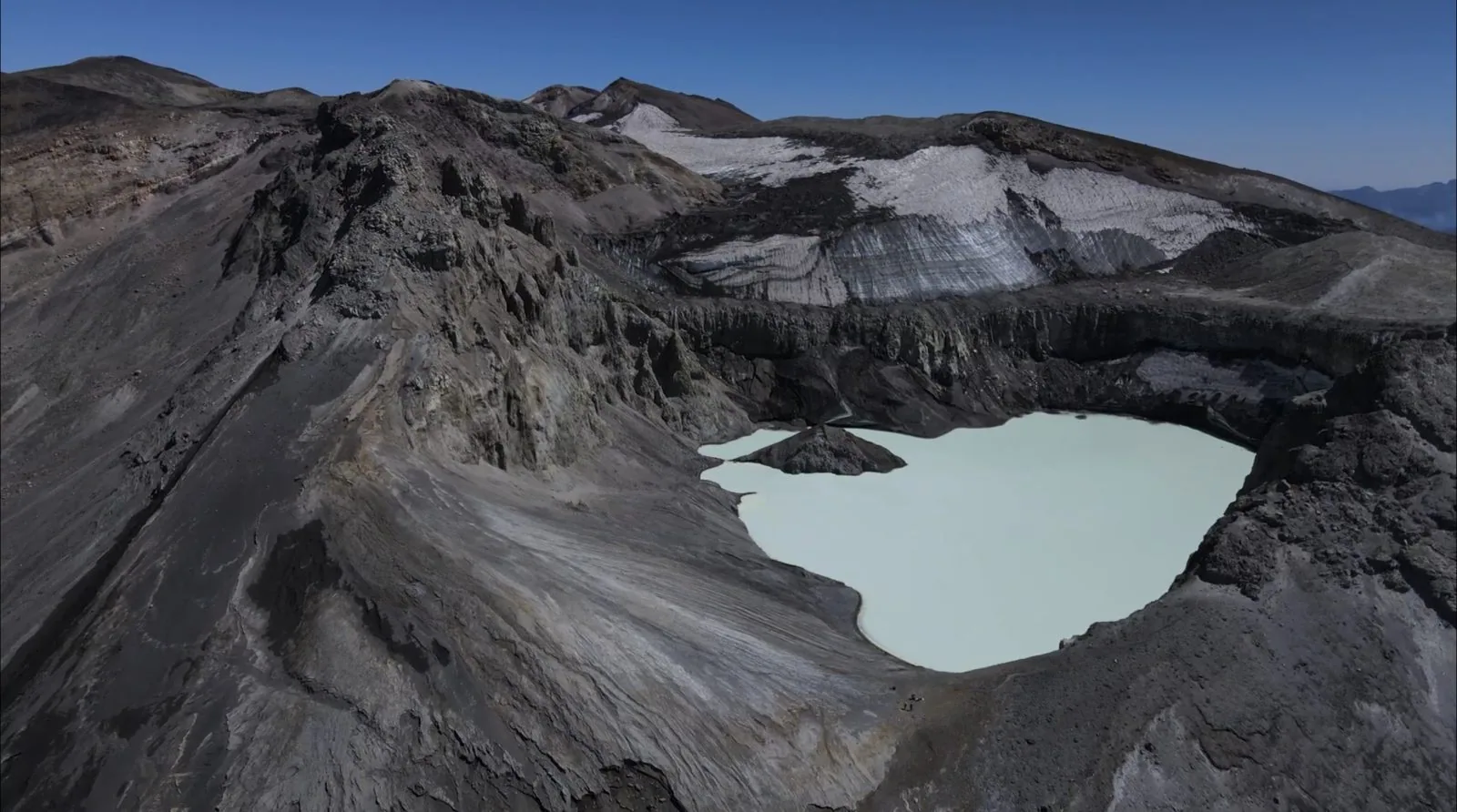
This fascinating production follows Dr. Raquel Quatrini and a team made up of scientists from Centro Ciencia & Vida, Fundación Ciencia & Vida - USS and the Universidad Nacional del Comahue in their search for extremophile organisms on the border between Chile and Argentina.
This fascinating installment follows Dr. Raquel Quatrini and a team composed of scientists from the Centro Ciencia & Vida, the Fundación Ciencia & Vida - USS, and the Universidad Nacional de Comahue in their search for extremophile organisms on the border between Chile and Argentina.
Collaborative work between institutions on both sides of the Andes was key to delving into the planet's prehistoric past at 2,900 meters above sea level.
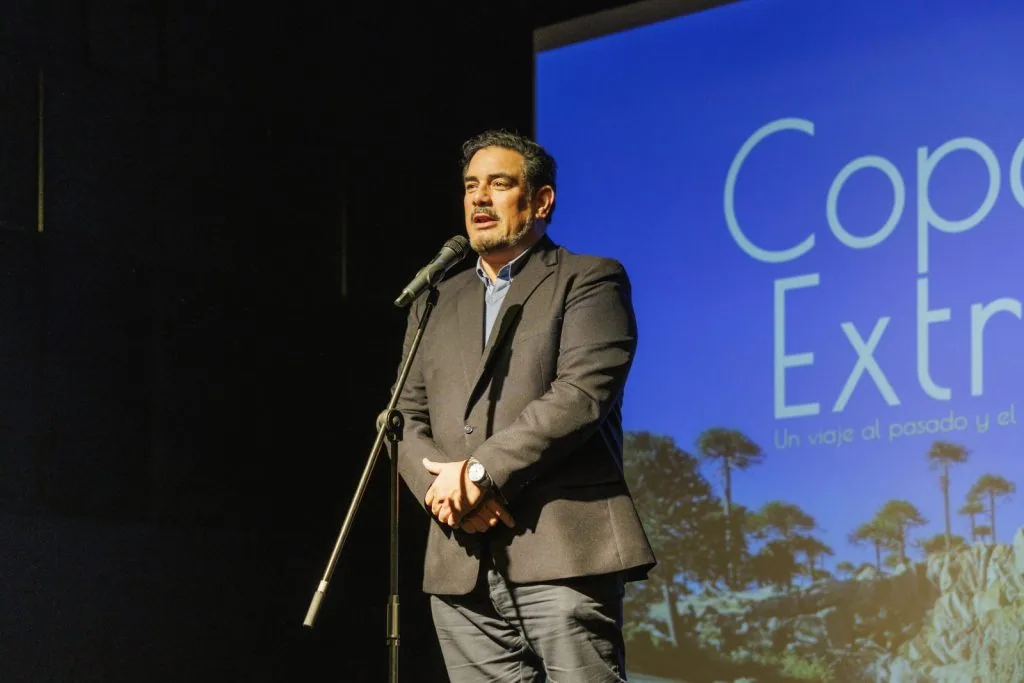
The presentation of the audiovisual piece was attended by the Vice-Rector of Innovation and Doctorates of the Universidad San Sebastián, Dr. Tomás Pérez-Acle, who praised the “epic” quality that these types of productions bring to scientific endeavors.
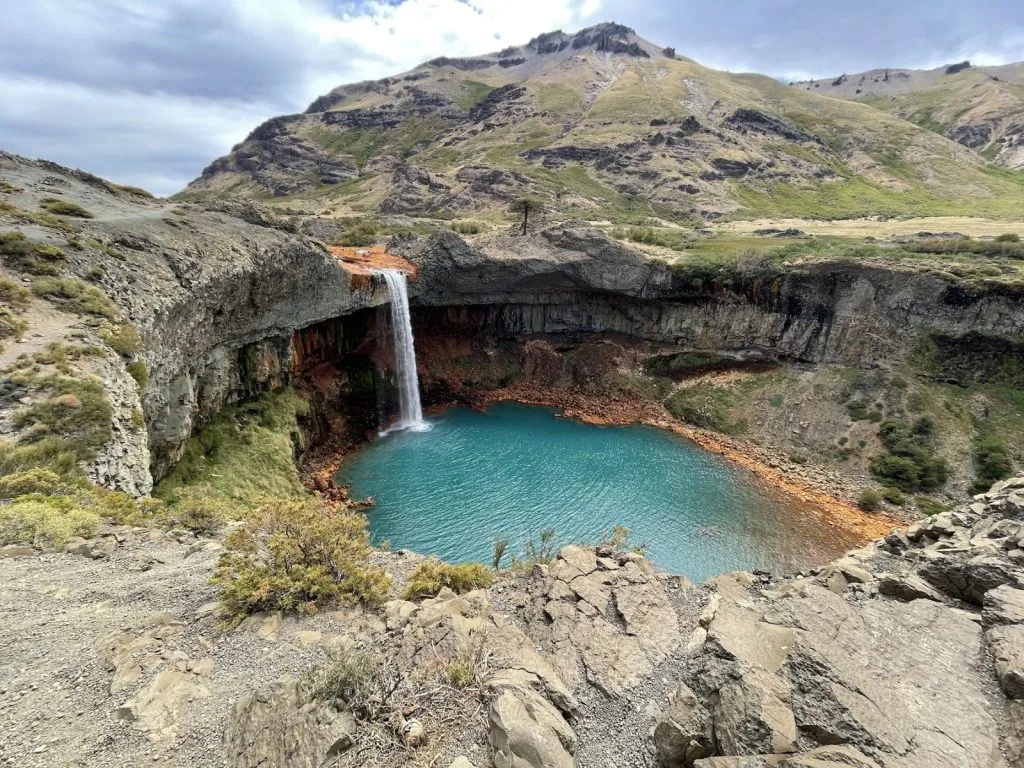
In an expedition that challenges the limits of knowledge and human endurance, “Copahue Extremo: Viaje al Pasado y Futuro del Planeta” takes viewers into the depths of the Copahue volcanic complex, in the north of the Chilean Patagonia in the Biobío Region.
The documentary follows a Chilean-Argentine team of scientists in their search for extremophile organisms—living beings that inhabit the most inhospitable conditions on Earth—to understand how, after billions of years of evolution and changes in environmental conditions, they remain present and thriving.
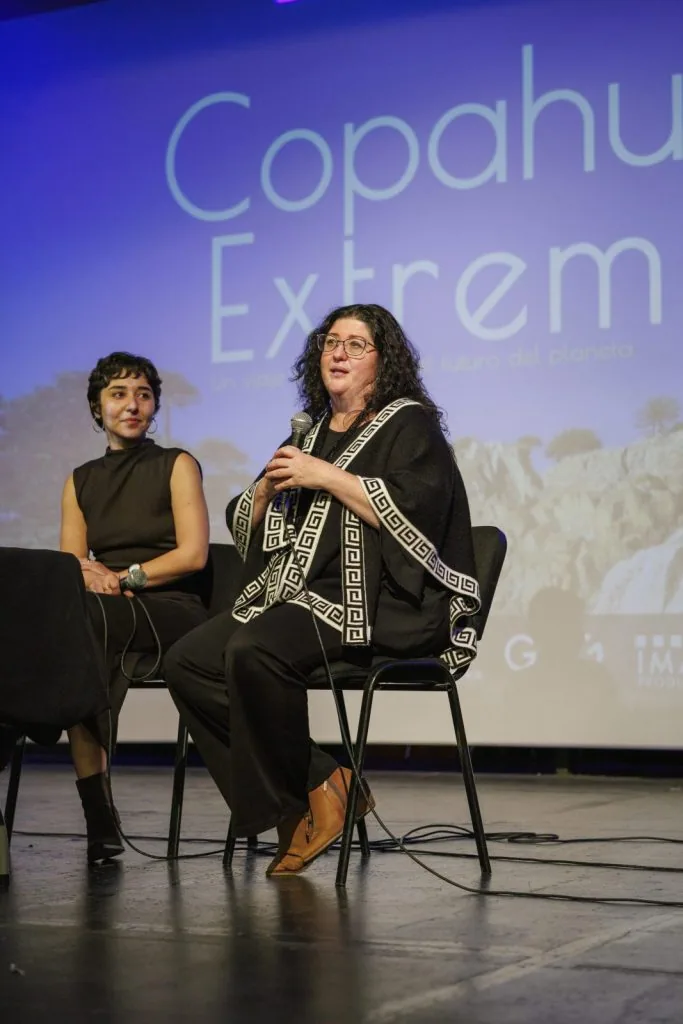
Julián Rosenblatt, director of the new scientific audiovisual production from the Eureka Program of the Centro Ciencia & Vida of the FCV – USS, explained that “we are a very fortunate team to have the possibility of accompanying and being able to tell the stories of these scientists who seek to solve mysteries in nature. It is incredible to be able to witness the discoveries and realize that life manifests itself in completely unexpected places invisible to our eyes. Complementing scientific and artistic perspectives is always a beautiful challenge and allows us to leave a historical heritage record of science in Chile.”
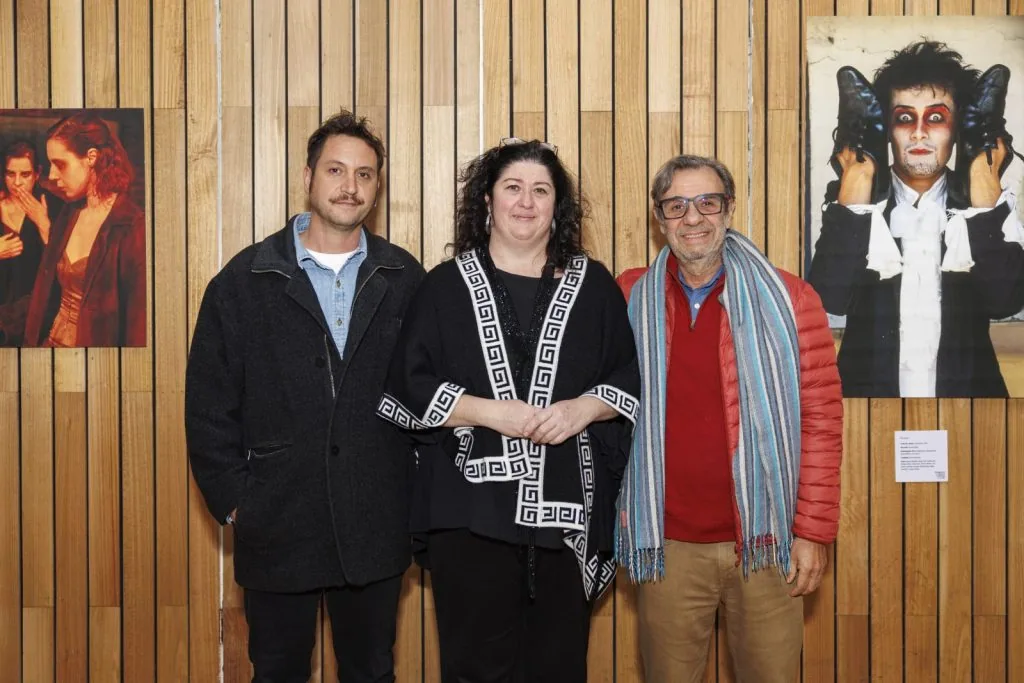
For the Vice-Rector of Innovation and Doctorates of the Universidad San Sebastián, Dr. Tomás Pérez-Acle, “this research is not just a scientific adventure: it is a window into the deep past of life on Earth. In this expedition, our students and academics study organisms that thrive in extreme environments, similar to those of the origin of life, to understand how biological systems emerge and evolve. This experience not only enriches knowledge but also cultivates comprehensive development, in which curiosity, critical thinking, and commitment to society's challenges converge to form good people.”
The expedition not only traverses imposing and remote landscapes but also invites reflection on the great challenges facing humanity, from climate change to the search for life on other planets. Through an innovative approach, the documentary explores how extremophile organisms can offer keys to solving problems ranging from medicine to technology and mining.
For Dr. Raquel Quatrini Nyqvist, principal investigator at the Centro Científico Tecnológico de Excelencia Ciencia & Vida and associate professor at the Faculty of Medicine and Science of the Universidad San Sebastián, “the experience of participating and collaborating in the production of the documentary was extremely motivating and enriching. Although it was a challenge to integrate scientific fieldwork with filming, the final result represents an invaluable showcase to show what we scientists at the Center do, where we do it, and the type of questions we seek to answer.”
For his part, Dr. Álvaro Lladser, director of the Centro Ciencia & Vida (FCV-USS), highlighted the importance of initiatives of this type to bring scientific work closer to different audiences, noting that “the premiere of ‘Copahue Extremo’ is a significant milestone for our institution. This documentary not only captures the fascination and complexity of exploring extreme environments but also shows in an exceptional way how, through science, we can better understand our evolutionary past and project solutions to the planet's future challenges. It is a source of pride to share this work that makes our commitment to excellence in research and scientific dissemination visible.”
Dr. Quatrini, who obtained funding from the Agencia Nacional de Investigación y Desarrollo (ANID) through a Fondecyt project to conduct research at this volcanic massif, pointed out that “given that the general public is unaware of the vast amount of potential knowledge we can extract from environments like this, which for us represent a true natural laboratory, we are excited to be able to share our work and some secrets of the system with scientists from other areas and with the general public.”
“Copahue Extremo” is a striking visual journey through difficult-to-access terrain to explore one of the most extreme environments on the planet. In their journey through the Copahue volcanic complex, the binational researchers explain some of the mysteries that nature has kept for billions of years, exploring the connections between Earth's past and present, as well as how research into these environments can shed light on the challenges of the future.
For Dr. José Ricardo Ulloa, a scientist at the Instituto de Investigación y Desarrollo en Ingeniería de Procesos, Biotecnología y Energías Alternativas (PROBIEN) of the Universidad Nacional del Comahue in Neuquén, Argentina, these places “remain largely unknown to most people, not only due to the lack of visits but also because many are unaware of their existence. Personally, I feel proud to have been part of this project, which contributes to everyone being able to discover and value the importance of this resource, whether from a spiritual, tourist, or scientific perspective. Every person, from their own approach, should have the opportunity to get to know it.”
And that is what the documentary invites: for viewers to be part of a unique experience at the intersection of science and nature, showing the potential of scientific discoveries and how their collaborative articulation is key to research in the most extreme areas. Reaching this area of the Andes Mountains between both countries was possible thanks to the support and management of the Agencia Provincial de Termas (EPROTEN) and the Dirección de Áreas Naturales Protegidas (ANP) of the province of Neuquén, Argentina.
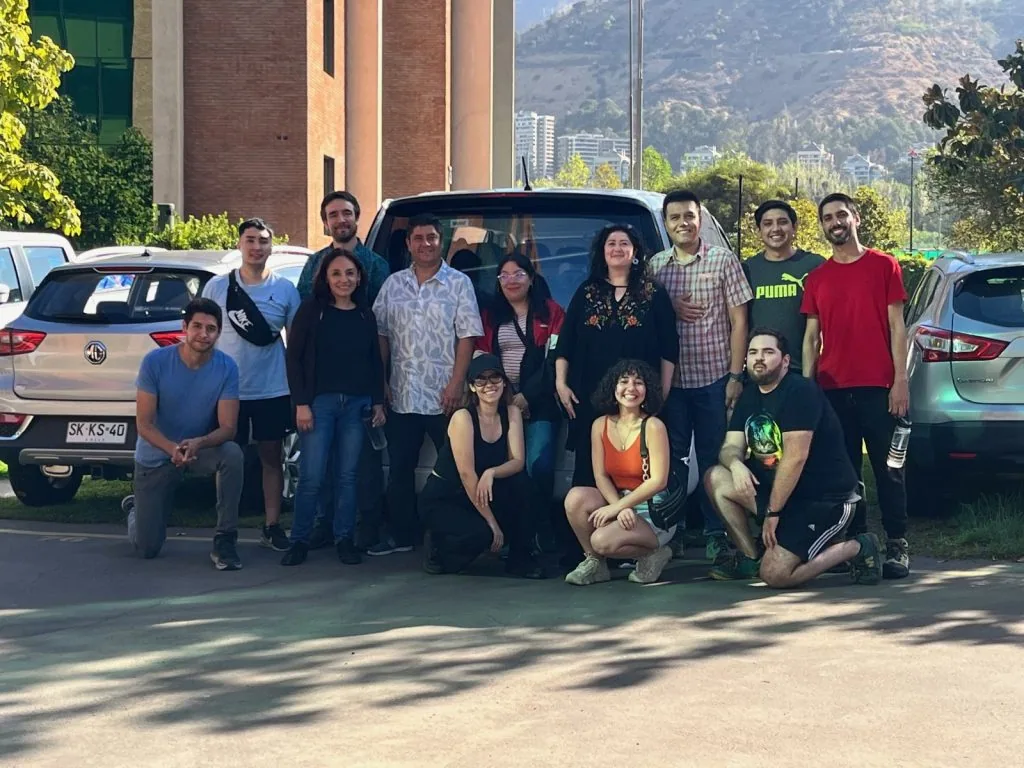
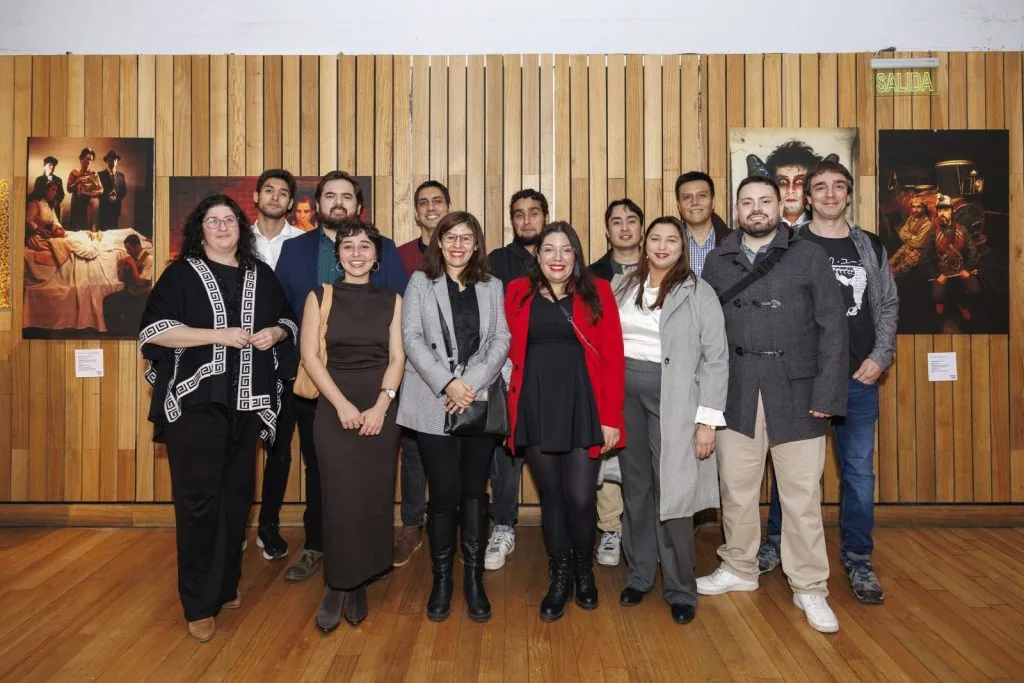
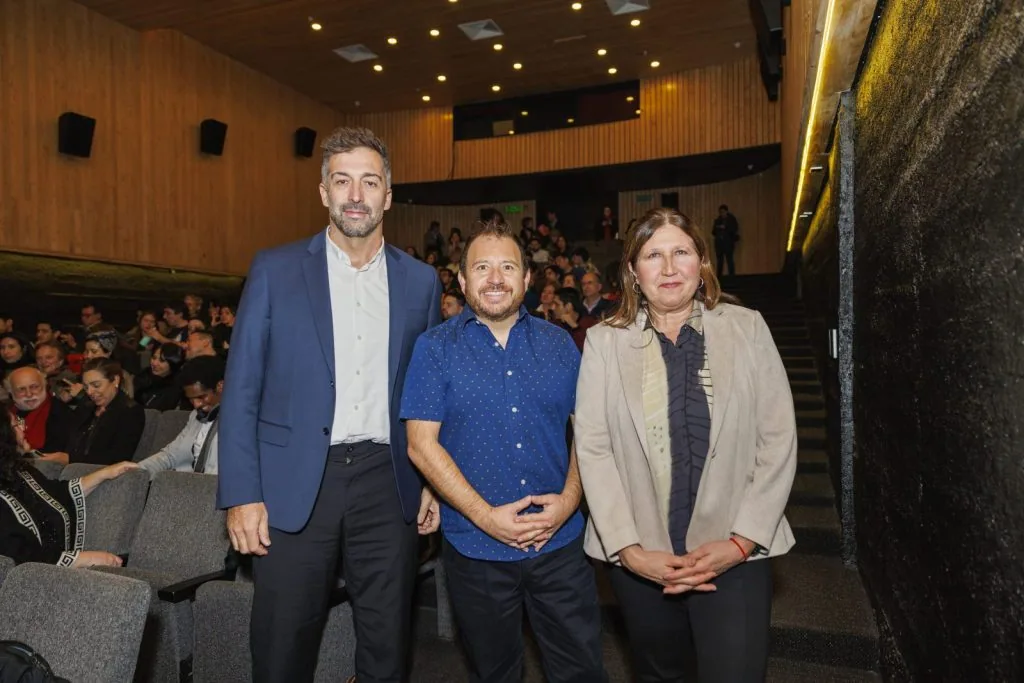
The Avant Premiere held at the Centro Alameda was attended by the National Prize for Natural Sciences Dr. Mary T. Kalin-Arroyo, the National Prize for Exact Sciences Dr. Carlos Conca, and the Deputy Director of Centers and Associative Research of ANID, Katia Nicole Ehrenfeld.
“Copahue Extremo: Viaje al Pasado y Futuro del Planeta” is an audiovisual scientific adventure that invites us to rethink the present and explore new solutions by looking at the past of the Earth and its most extreme inhabitants.
The documentary can be watched on YouTube starting this Wednesday, May 28.