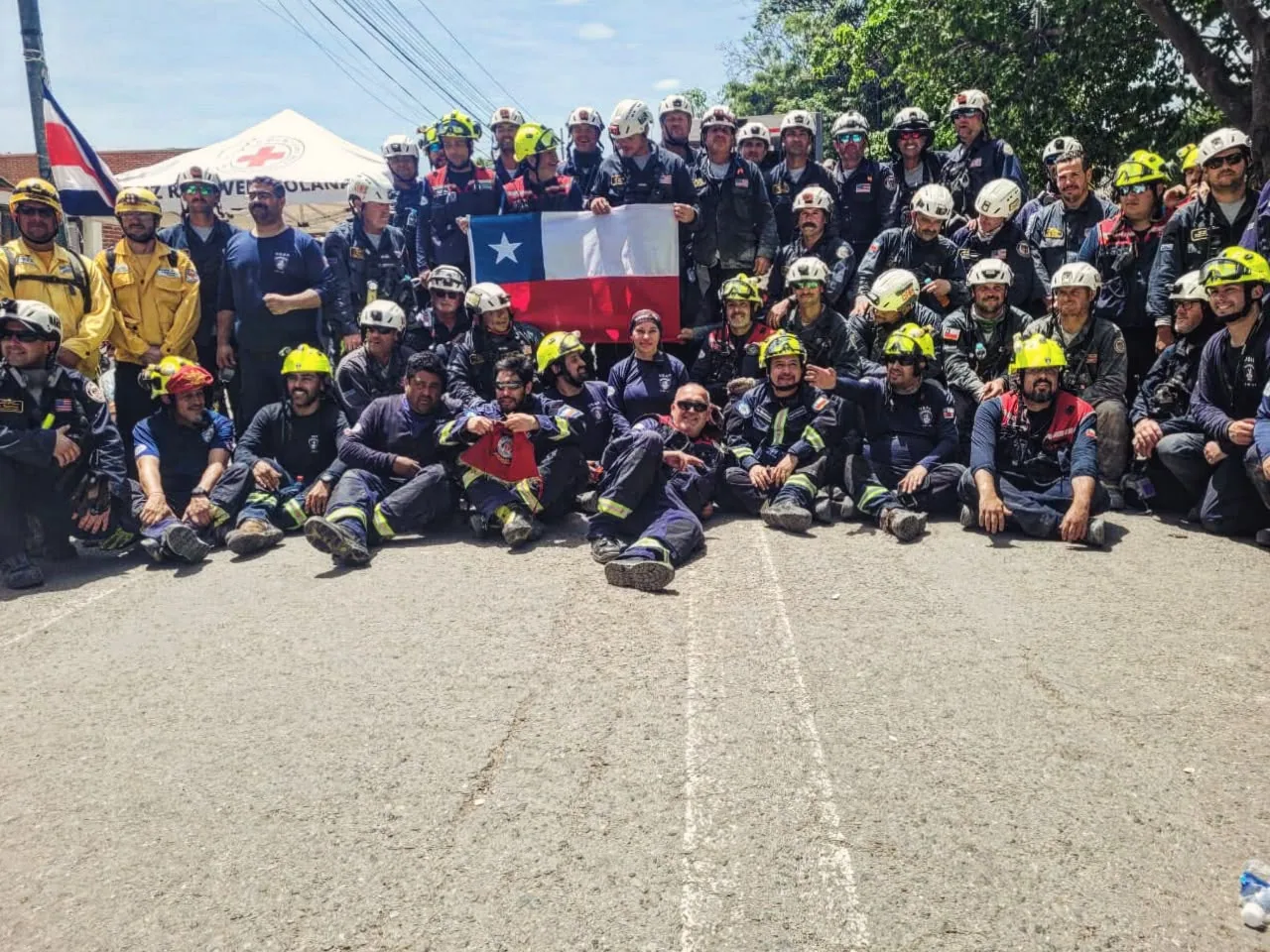

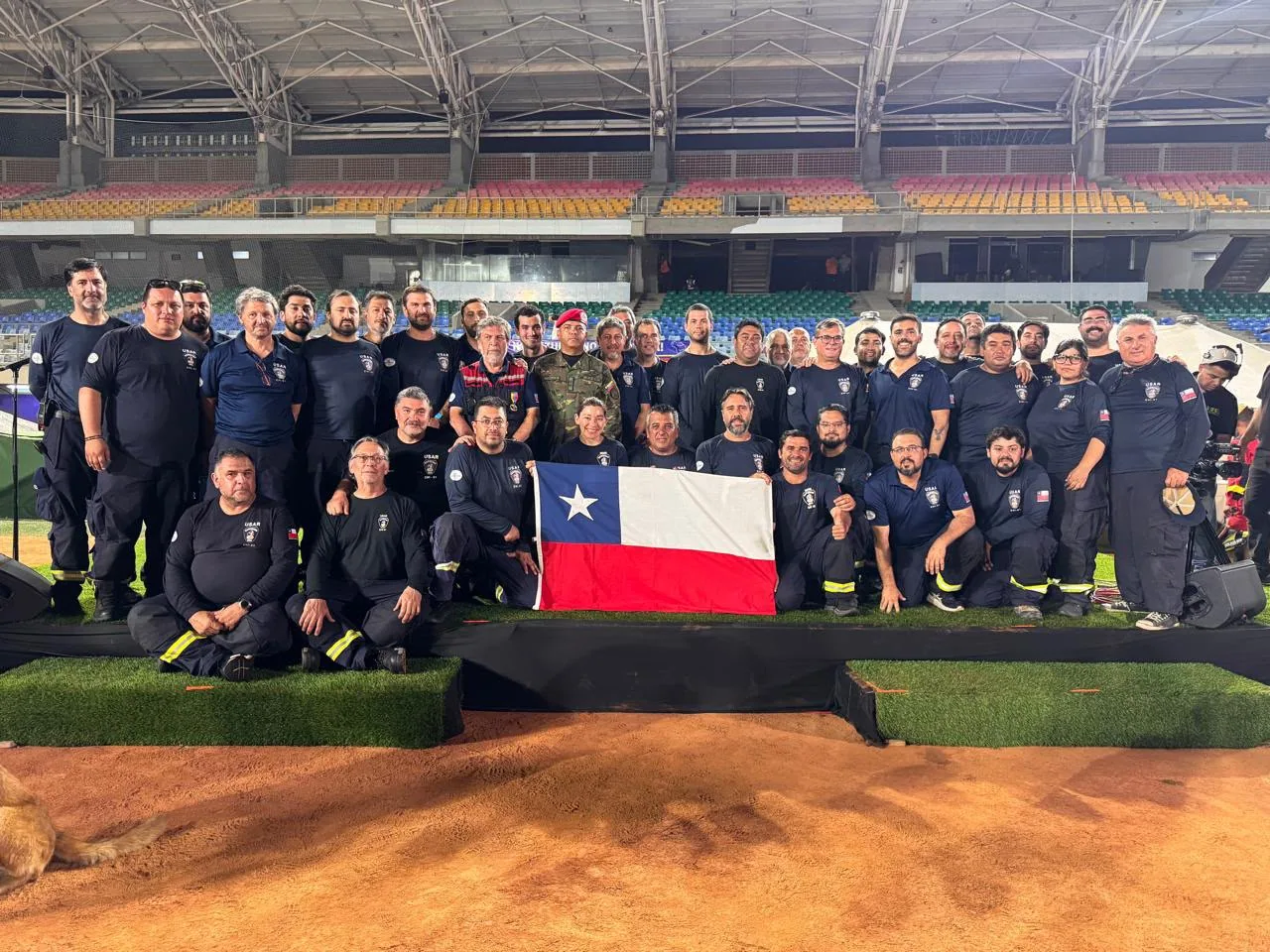
Dr. Vincenzo Borgna, associate researcher at Centro Ciencia & Vida (FCV-USS), urologist and volunteer with the Santiago Fire Department, was part of the USAR-Chile team deployed to Venezuela after the devastating earthquake that struck the country.
As the mission’s chief medical officer, he took part in the operation that rescued alive a man who had been trapped under the rubble for eight days, showing how scientific knowledge and technical preparation can come together in the service of life.
Science not only transforms knowledge, it also strengthens the capacity to face critical situations, as shown by the recent participation of Dr. Vincenzo Borgna, associate researcher at Centro Ciencia & Vida and academic at Universidad San Sebastián, in the humanitarian mission deployed by USAR-Chile (Urban Search and Rescue) after the earthquake that struck Venezuela.
The researcher, a urologist and volunteer with the 20th Company of the Santiago Fire Department, was part of the contingent of specialists that travelled to the country to support the international search and rescue efforts. The Chilean delegation brought about 12 tonnes of specialised equipment and operated independently for ten days in the areas hardest hit by the disaster.
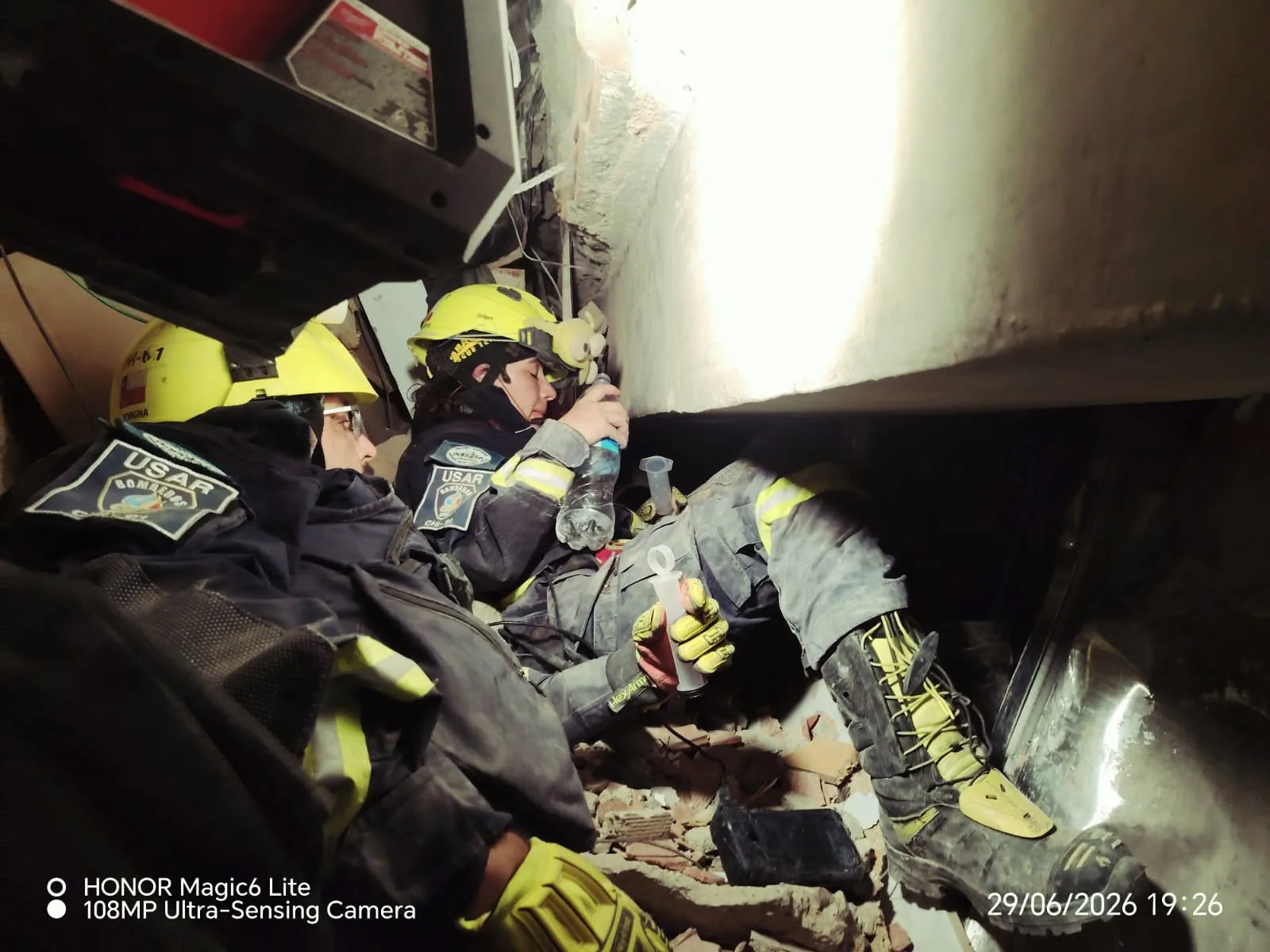
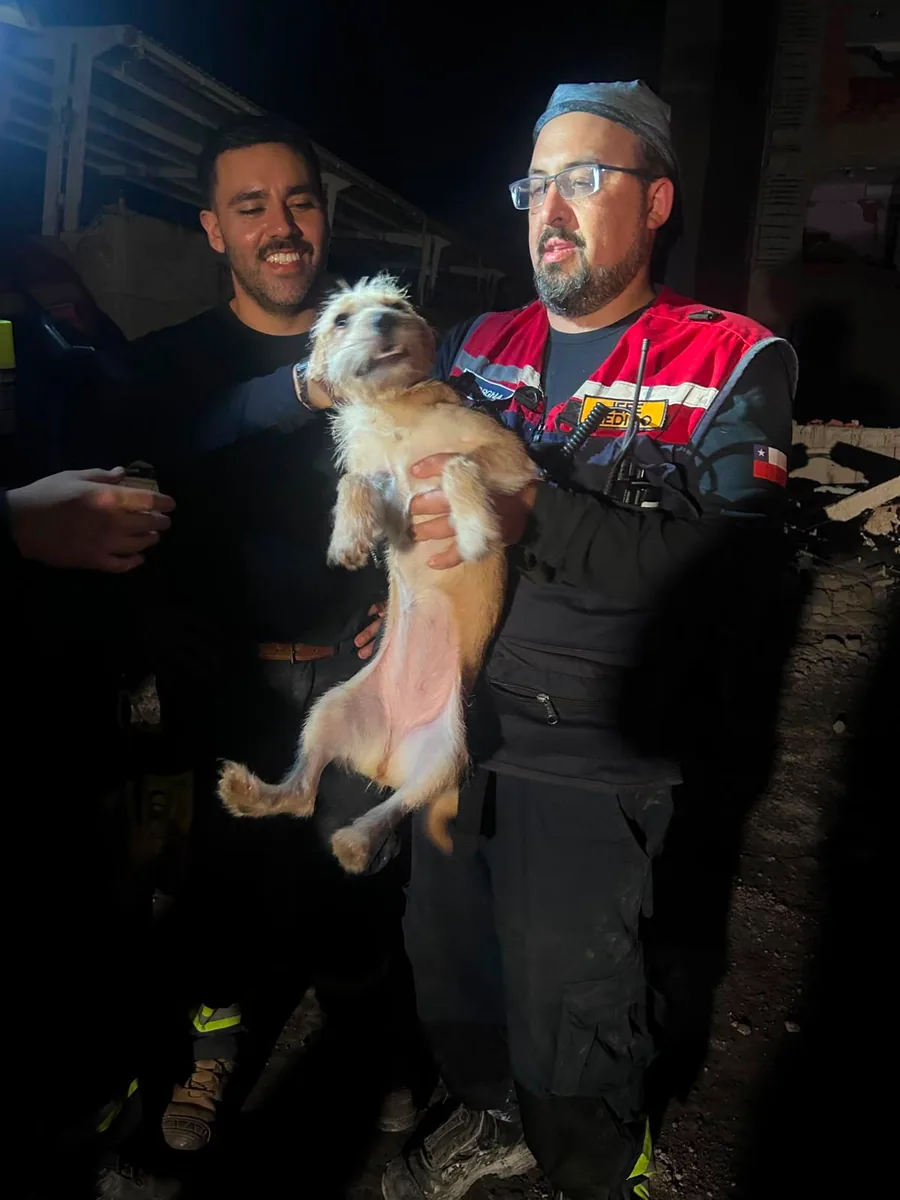
On this mission, Dr. Borgna, who practises his specialty at Hospital Barros Luco Trudeau and Clínica Indisa, served as chief medical officer of the USAR team, leading medical assessment and care during operations in collapsed structures, and looking after both the team’s safety and the stabilisation of the people rescued.
Reflecting on how these two sides of his professional and personal life relate, Dr. Borgna says that for him they “are not two separate worlds, but two different ways of facing the same challenge: solving complex problems that affect people.”
A rescue against the clock
The most emblematic moment of the mission came in the city of Catia La Mar, in La Guaira state, where the Chilean team rescued Hernán Gil alive after he had been trapped for eight days under some 140 tonnes of concrete and metal following the collapse of a building.
The operation lasted more than 70 continuous hours and required coordinated work between search, rescue and medical experts. Using acoustic detection technology, radar and specialised cameras, the team confirmed the presence of a survivor, made contact with him and supplied him with oxygen and fluids before completing a highly complex extraction.
As the mission’s chief medical officer, Dr. Borgna took part in the clinical assessment and stabilisation of the patient, in an operation followed by international media and recognised as one of the most complex and successful rescues carried out abroad by a Chilean USAR team.
Research and disaster response: two converging vocations
Although his daily work is in biomedical research and patient care, Dr. Borgna has built a career that combines science with emergency medicine.
As associate researcher at Centro Ciencia & Vida and academic at USS, where in addition to undergraduate courses he teaches in the PhD in Immunology and Microbiology, Dr. Borgna carries out research in immunology and immunotherapy, focusing on understanding the mechanisms of the immune system and developing new therapeutic approaches for complex diseases.
At the same time, he is actively involved in international disaster response teams and is a member of the Medical Working Group of INSARAG (International Search and Rescue Advisory Group), a network organised by the United Nations Office for the Coordination of Humanitarian Affairs (OCHA) that sets the international standards for USAR teams.
This combination of scientific and operational experience has shaped his work in several international emergencies, where evidence-based decision-making, interdisciplinary work and rigorous preparation matter as much as in a research laboratory.
He explains that “in the laboratory you learn to observe, to analyse evidence, to question first impressions and to make decisions based on data. On a USAR mission, although the context is completely different and time is very limited, those same principles remain essential. I believe science provides a rigorous way of thinking, and fieldwork gives that science a deeply human meaning.”
Science beyond the laboratory
For the director of Centro Ciencia & Vida (FCV-USS), Dr. Álvaro Lladser, Dr. Borgna’s participation in this mission is a concrete expression of the commitment of the institution’s researchers to society. “We are proud that one of our researchers took part in this international mission, which shows that frontier knowledge, combined with a vocation for service and collaborative work, can make a difference in the most complex situations,” he says.
Dr. Borgna, for his part, says that one of the main lessons of events like this is “that no one, however well prepared, can face an emergency of this magnitude alone. Success depends on the ability to integrate different disciplines, trust the procedures and keep constant communication among all members of the team.”
The experience in Venezuela shows that science can also save lives outside the laboratory, putting knowledge, preparation and international collaboration at the service of those who need it most.
“This experience reminds us that behind all the technology, protocols and planning, there are always people who need help. That combination of technical excellence and human commitment is, in my view, what really makes the difference in a rescue mission,” concludes Dr. Borgna.