
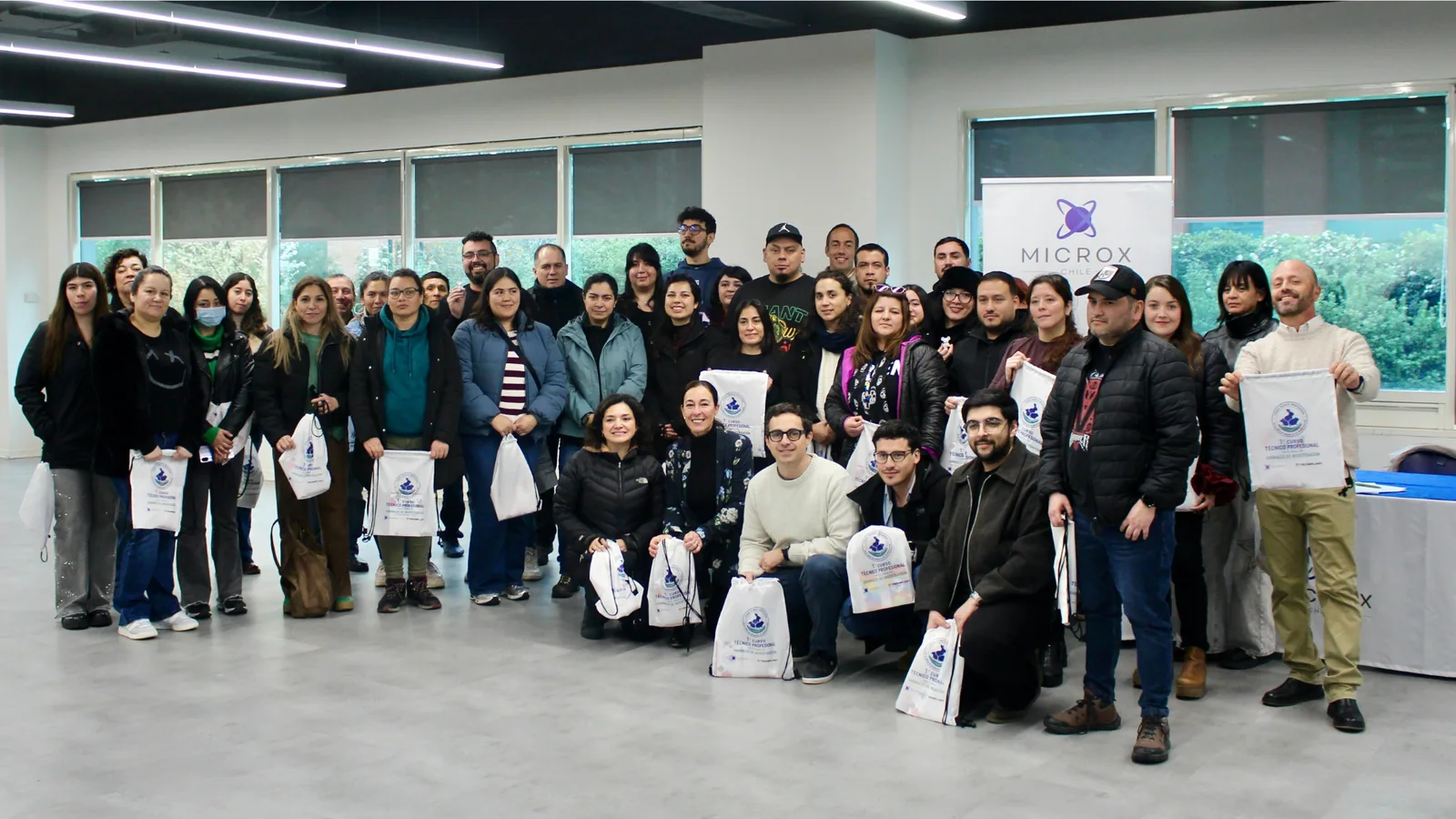
The initiative brought together 42 participants from 13 institutions across the country and addressed key aspects of the management and care of research animals, with an emphasis on animal welfare, biosafety, and standardization of procedures.
Strengthening the skills of those who work daily in the management and care of research animals was the objective of the 1st Technical-Professional Course in the Field of Research Animals, held on August 27 and 28 by the Centro Ciencia & Vida (FCV-USS).
The activity brought together 42 participants from 13 institutions, including universities, research centers, public agencies, foundations, and companies linked to the scientific and veterinary fields. The meeting was aimed at technical and auxiliary staff working in bioteriums and other facilities destined for work with research animals.
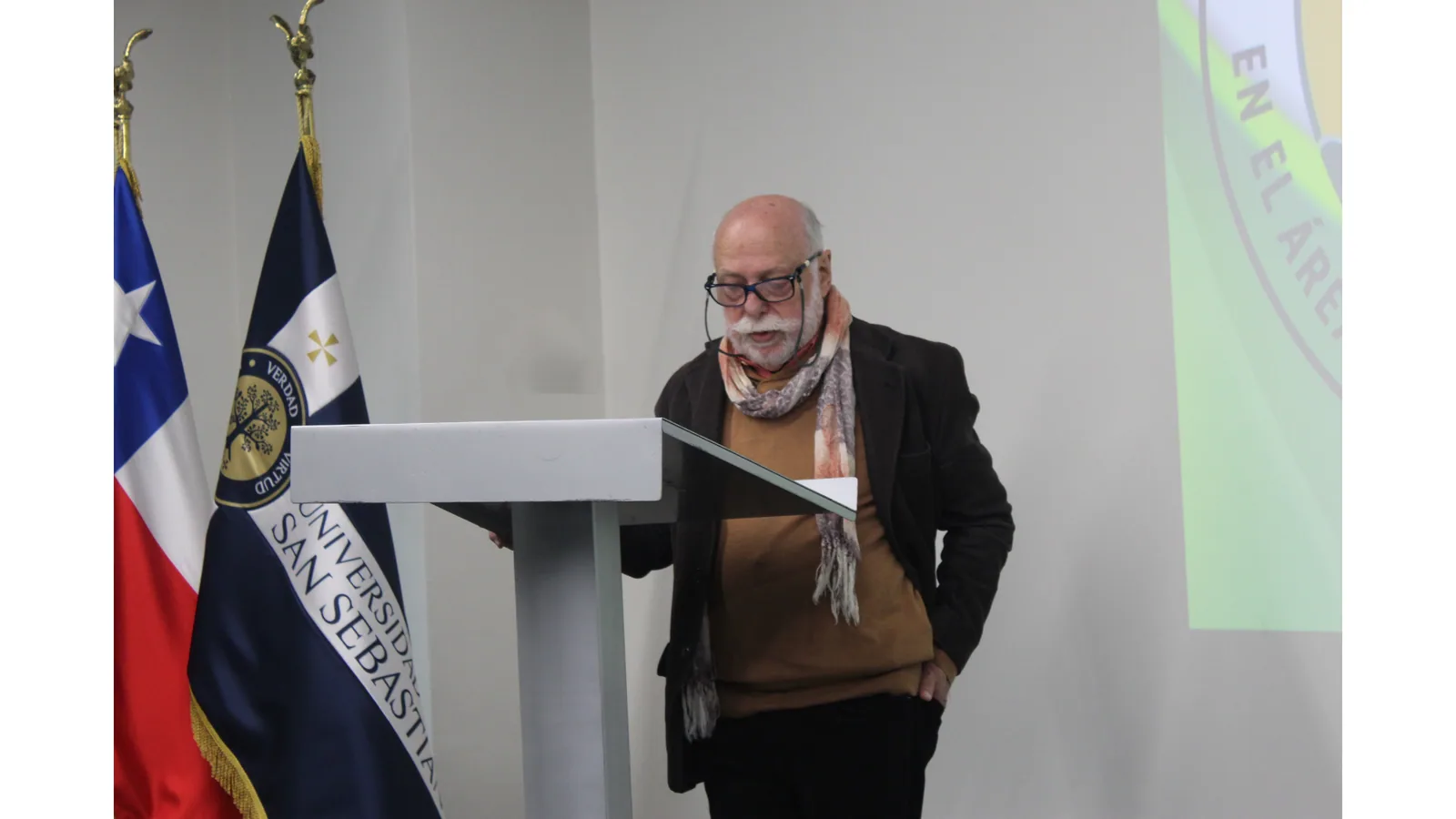
The course was opened by Dr. Mario Rosemblatt, executive director of Fundación Ciencia & Vida, who highlighted the importance of creating training opportunities aimed at those responsible for the daily care of animals and the operation of these facilities, considering their direct impact on animal welfare and the quality of scientific research.
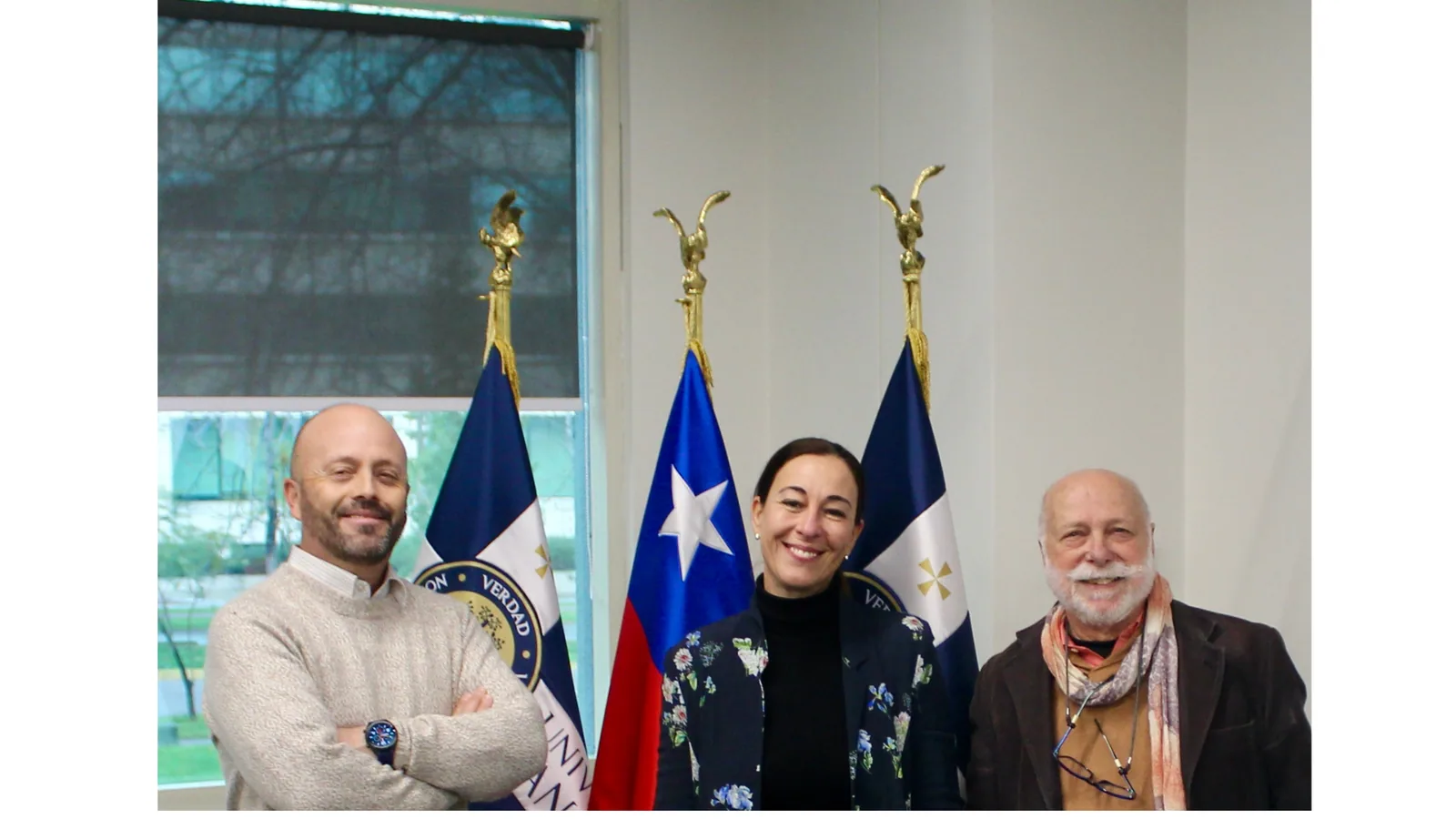
The activity was led by Sebastián Valenzuela, DVM, PhD, director of the Veterinary Area of the Centro Ciencia & Vida, of the Fundación Ciencia & Vida and the Universidad San Sebastián, director of the Preclinical Research Center and academic at the USS School of Veterinary Medicine, along with Micaela Ricca, Master in Laboratory Animal Science and Welfare and deputy director of the Veterinary Area of the Basal Center.
For Dr. Valenzuela, the initiative, in addition to strengthening the capabilities of bioterium staff, also provides a gathering space for these professionals, with the implicit goal of “making the work of technicians in Chile visible, something that is already a Latin American and global trend, which has a direct impact on animal welfare.”
Training applied to daily work
During the two days, participants combined conceptual content with practical exercises, case analyses, and resolution of common situations in a bioterium. The program addressed subjects such as animal welfare, bioethics, and the 3Rs principle (replacement, reduction, and refinement), sanitary barriers, bioexclusion and biocontainment, biosafety, and workflow organization.
Work was also done on specific procedures associated with the handling of mice and rats, cage changing, prevention of cross-contamination, early identification of signs of pain, stress, or illness, as well as cleaning, disinfection, and sterilization protocols.
One of the main emphases of the course was to link this knowledge with the tasks that technical staff perform daily. Actions that may seem routine, such as entering a sanitary barrier, correctly using personal protective equipment, handling an animal, changing a cage, replenishing food and water, or disinfecting materials, can affect both animal welfare and human safety, as well as the reliability and reproducibility of scientific results.
For Micaela Ricca, MSc, these types of initiatives “mark a milestone, because for the first time they create an opportunity for meeting and training that brings together technicians from different institutions who work daily with research animals. In an area where there are very few training opportunities specifically directed at this staff, one of our main objectives was also to make technical work visible and valued, recognizing the fundamental role it plays in bioteriums."
The Deputy Director of the Veterinary Area of the Centro Ciencia & Vida (FCV-USS) adds that "creating a space to train, share experiences, and strengthen a technical community directly contributes to animal welfare, the quality of procedures, and, ultimately, to better research.”
A space for exchange between institutions
In this first edition, representatives from the Universidad de Talca, Universidad Austral de Chile, Universidad Andrés Bello, Universidad de los Andes, Instituto de Nutrición y Tecnología de los Alimentos (INTA), COANIQUEM, Universidad de Concepción, Instituto de Salud Pública de Chile (ISP), Buin Zoo, Merken Biotech, Pontificia Universidad Católica de Chile, Centro Ciencia & Vida, Fundación Ciencia & Vida, and Universidad San Sebastián participated.
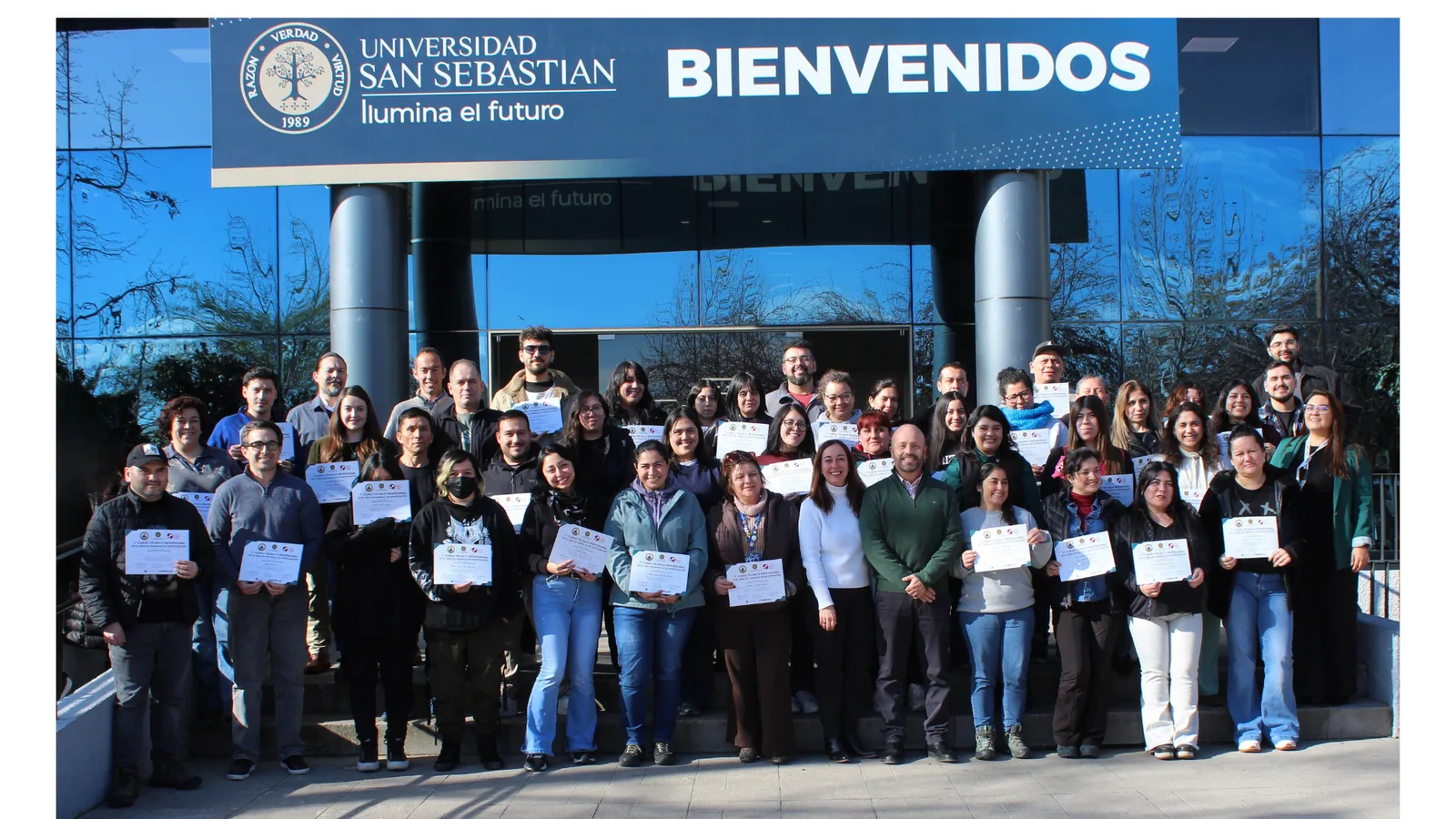
This diversity made it possible to generate a space for exchange among people working in facilities with different characteristics and experiences, fostering discussion on common challenges, operating procedures, and shared best practice criteria.
With the realization of this first version, the Veterinary Area of the Centro Ciencia & Vida (FCV-USS) seeks to promote continuous training and the professionalization of those working in laboratory animal science, highlighting the role that technical staff play in animal welfare, the proper functioning of bioteriums, and the development of responsible, rigorous, and high-quality scientific research.