
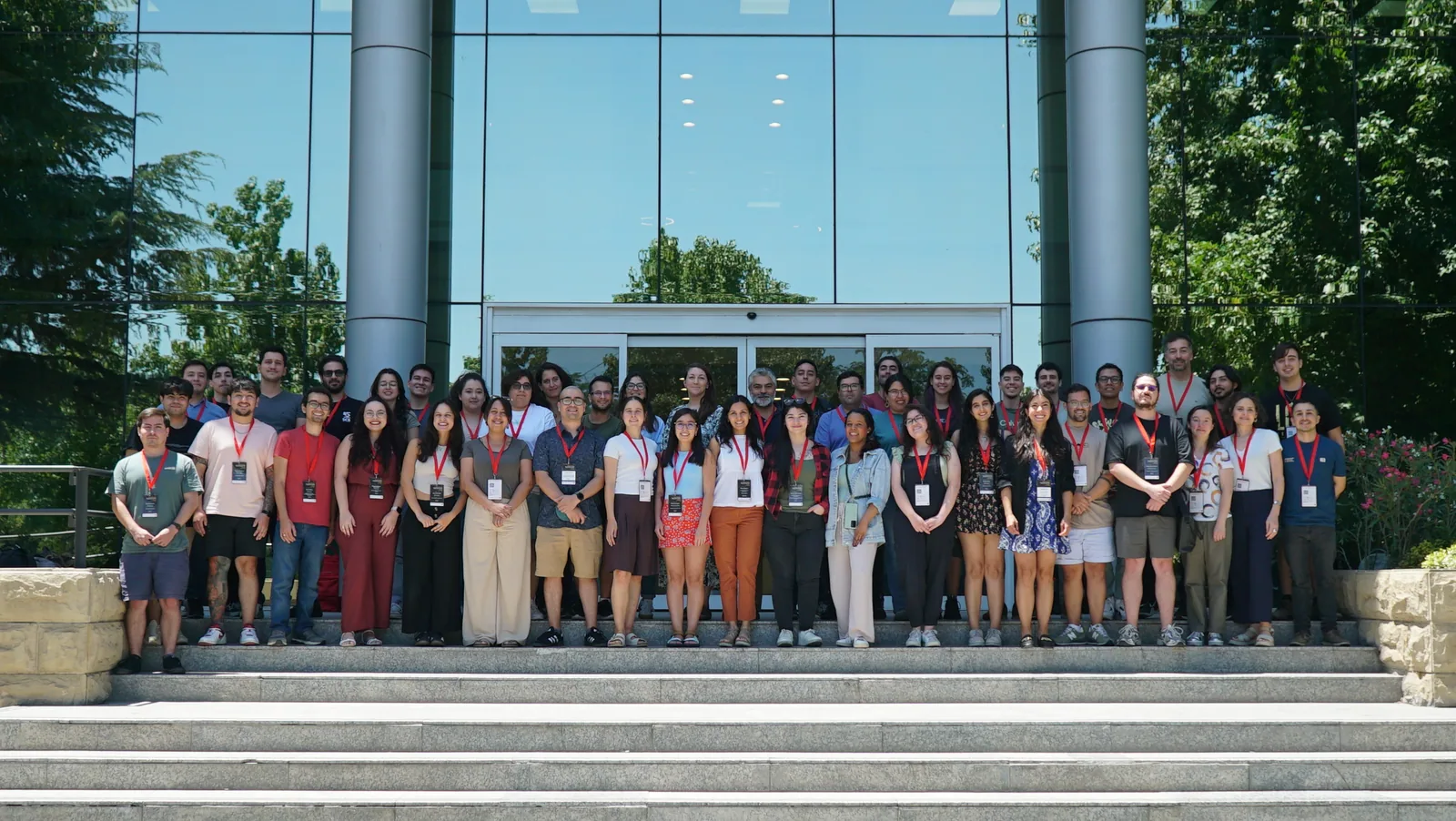
The course “Bioinformatics Analysis of Spatial Biology Data” is the first of its kind to be held in our country.
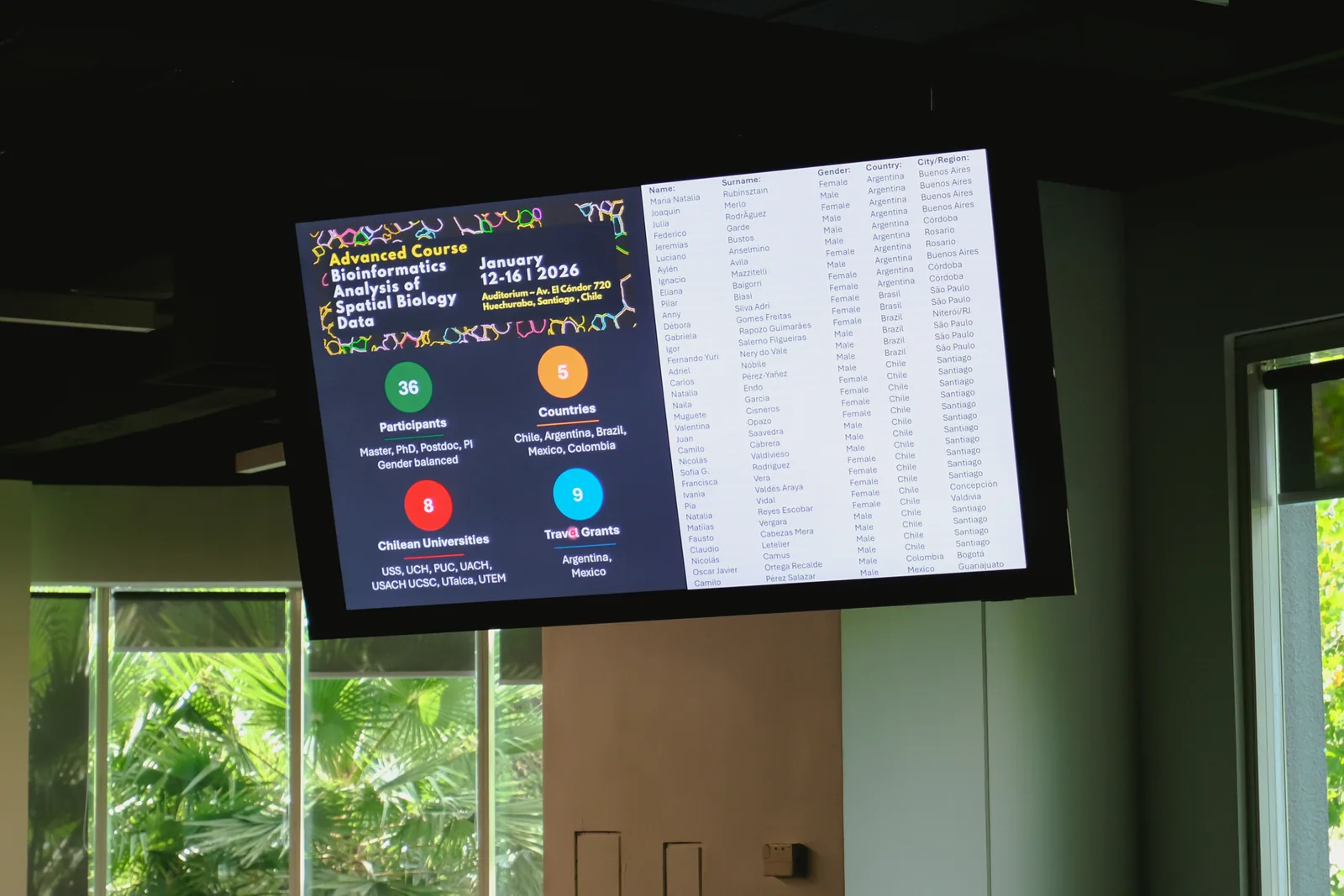
It took place between January 12 and 16, 2026, and brought together researchers in training from various Latin American countries, strengthening advanced training and regional scientific cooperation in biomedical research.
The Centro Basal Ciencia & Vida of the Fundación Ciencia & Vida - Universidad San Sebastián (USS), organized the advanced practical course “Bioinformatics Analysis of Spatial Biology Data” , an intensive five-day event held between January 12 and 16, 2026 at the USS Campus Ciudad Universitaria. The program brought together doctoral students, clinicians, postdoctoral researchers, and early-career scientists from various Latin American institutions.
For Dr. Alvaro Lladser, director of Centro Ciencia & Vida and academic at USS, the course represents “a unique opportunity for researchers in the region to acquire advanced training for the analysis of spatial transcriptomics data and other types of spatial biology data. These techniques allow for the analysis of biological programs of different cells within a tissue and how they communicate with each other with unprecedented depth, opening a new era in the study of biology. Currently, there is a wealth of transcriptomic data available that can be re-analyzed to answer local research questions, representing an untapped gold mine. With this course, researchers will be able to utilize these available resources, which will directly impact the research we conduct.”
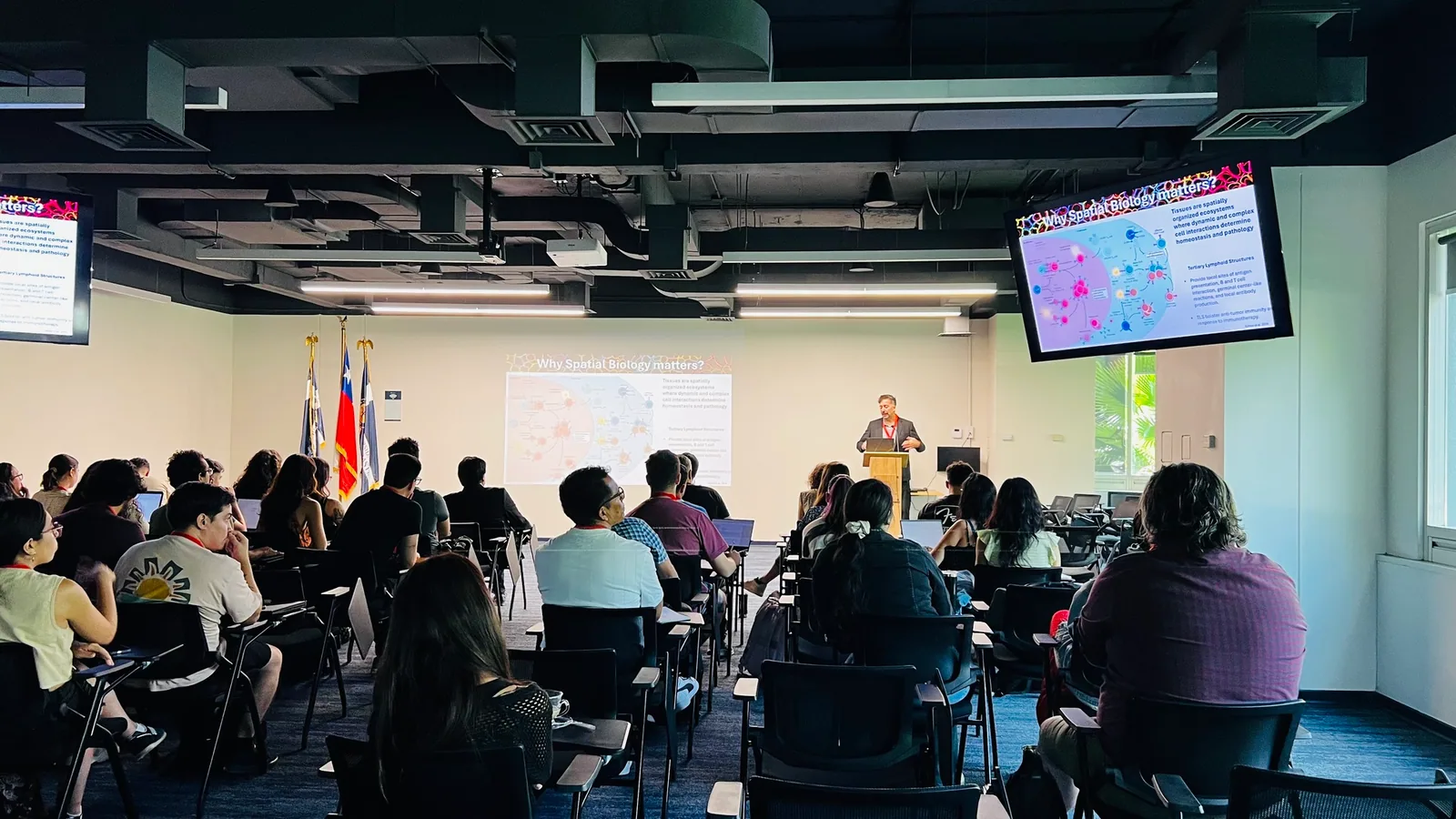
The initiative was jointly organized by Centro Ciencia & Vida, the Fundación Ciencia & Vida, Universidad San Sebastián, Institut Curie of France, and the Fundación Arturo López Pérez. The course combined lectures by international experts, practical computational analysis sessions, and spaces for collaborative discussion.
The course aimed to strengthen regional capacities in the bioinformatic analysis of spatial biology data applied to areas such as immunology, cancer, and inflammation. In a context of rapid technological development, this discipline allows for the study of cellular and tissue organization by integrating molecular information with its spatial location, providing new perspectives for contemporary biomedical research.
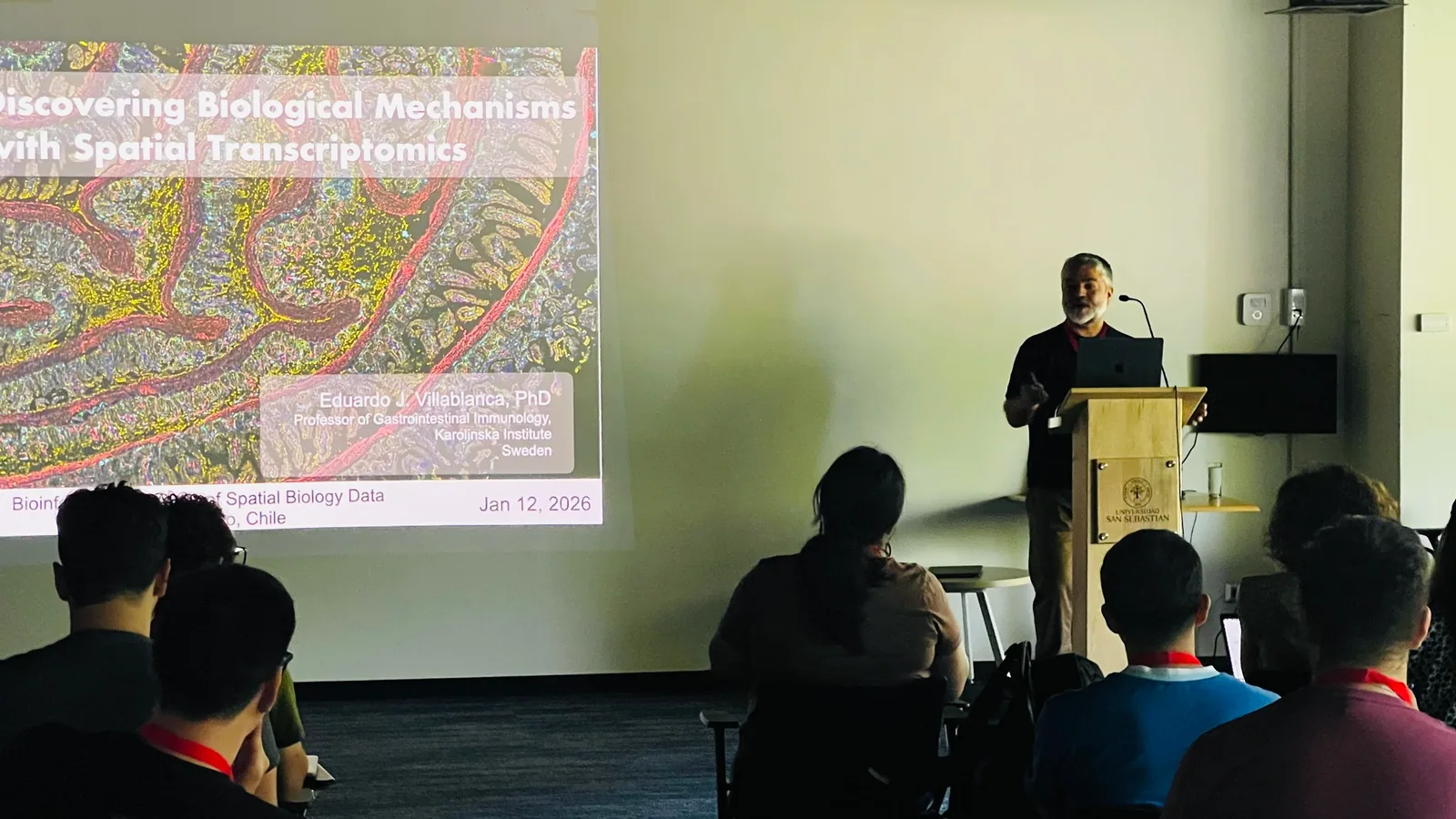
In this regard, Dr. Eduardo Villablanca, one of the main guest speakers at this training event, a renowned Chilean immunologist and academic at the Karolinska Institutet (Sweden) whose research focuses on mucosal/gastrointestinal immunology, noted that “holding this course here in Chile, a Bioinformatics course, in this case on Spatial Transcriptomics, is highly relevant because today we are in the era of working with data science, and this data must be interpreted, which requires Bioinformatics. Once you learn how to do this, you can work anywhere in the world.”
Throughout the program, participants addressed the fundamentals and the most recent advances in the field, including the use of cutting-edge technologies such as Visium, Xenium, and multiplex immunofluorescence platforms. The methodology included intensive practical training, with analysis of datasets of publicly accessible data, computational work guided by specialized instructors, and applied exercises oriented toward the interpretation of results.
Intensive training and international scientific cooperation
The course featured presentations by internationally recognized researchers in the field of spatial biology and a specialized teaching team that provided continuous support throughout the training process. To conclude the program, participants presented their results and interpretations in group presentations, promoting knowledge exchange and collective critical analysis.