
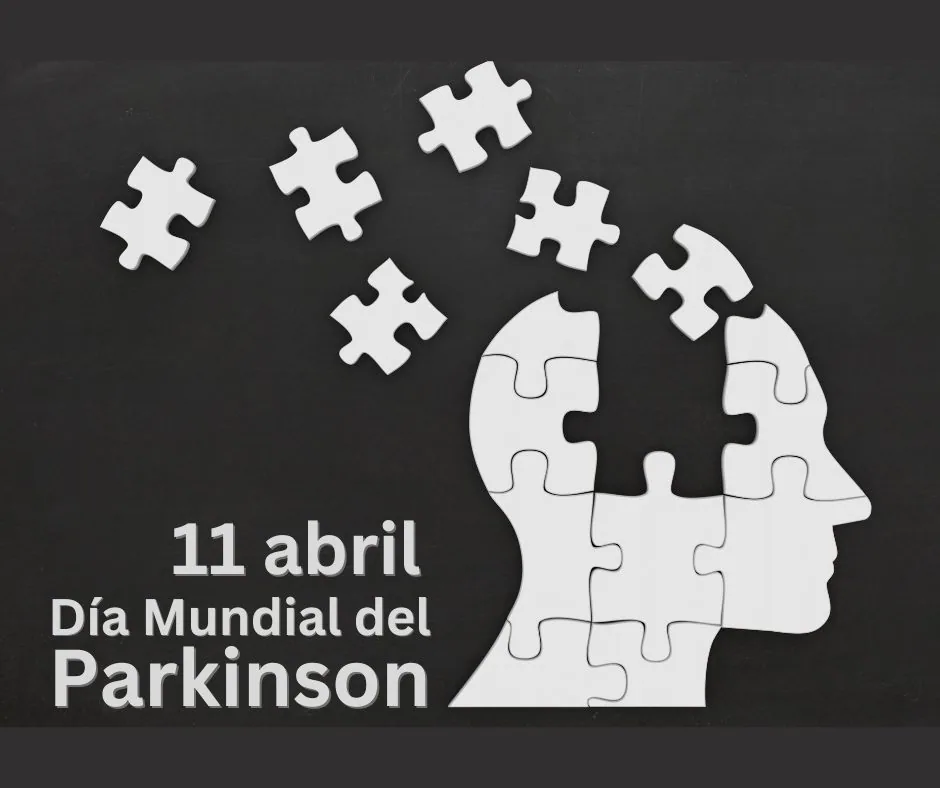
The World Health Organization (WHO) established April 11 as World Parkinson's Day to raise awareness of this disease and honor the British physician James Parkinson, who discovered this condition in the early 19th century.
Highlighting this date seeks to raise awareness about Parkinson's, promoting a greater understanding and biomedical efforts to address it, as well as bringing visibility to those living with this disease.
The Centro Ciencia & Vida of the Universidad San Sebastian drives various initiatives focused on Parkinson's disease research, contributing significantly to scientific advancement in this field.
Innovative T-cell therapy for early treatment
During 2024, Dr. Rodrigo Pacheco presented the results obtained through funding from Fondef and the Michael J. Fox Foundation where, together with his team, they developed an innovative experimental therapy based on anti-inflammatory T-cells, which has proven effective in halting the development of the disease in two preclinical models of Parkinson's.
This therapy has the potential to change the paradigm of the disease's treatment, focusing on halting its progression rather than just relieving symptoms.
Outreach and education on Parkinson's
Aware of the importance of disseminating the progress of ongoing research, Dr. Pacheco gives talks and participates in congresses and seminars both locally and internationally. During 2024, he presented the results of this new therapeutic strategy at scientific meetings held in Dublin, Barcelona, Buenos Aires, Concón, and Santiago. One of his recent presentations was at the Immuparknet 2025 Annual Meeting, held in early April in Lisbon, Portugal, where he spoke on "Engineering of T-cells designed to treat Parkinson's disease," addressing the work carried out by his laboratory and showing the results that have led them to decipher an autoimmune response triggered in the colonic mucosa against pathogenic forms of the alpha-synuclein protein during the early stages of the pathology's development. Based on these findings, a specific synthetic receptor was developed to recognize pathogenic forms of the alpha-synuclein protein, thereby generating a cellular immunotherapy that attenuates the development of Parkinson's in two different preclinical models.
Research on the intestinal origin of Parkinson's
In addition, studies are being directed at the Basal Center suggesting that the origin of Parkinson's could be in the gut. This line of research has captured the attention of the international scientific community and has received funding from the Michael J. Fox Foundation to delve deeper into these findings and explore potential treatments based on this new understanding of the disease.
The Centro Ciencia & Vida reaffirms its commitment to research and the development of new strategies to understand and treat Parkinson's disease, contributing to scientific advancement and the well-being of patients affected by this condition.